
The Concept: Beyond Survival
The Game of Life, devised by John Conway in 1970, is a classic cellular automaton that demonstrates how complex patterns can emerge from simple rules. It allows one to observe if any particular 2D pattern can survive over time based on its neighbors.
This enhancement turns a purely mathematical observation into a dynamic, competitive ecosystem. It explores how diversity, dominance, and probability influence the long-term survival of different populations within the same grid.
Application Interface & Outcome
The application features a high-performance grid where "Male" and "Female" cells compete for space. Users can choose between different birth logics—such as "Dominant" (the majority gender wins) or "Minority" (the rarer gender is born)—to see how the population balance shifts over time.
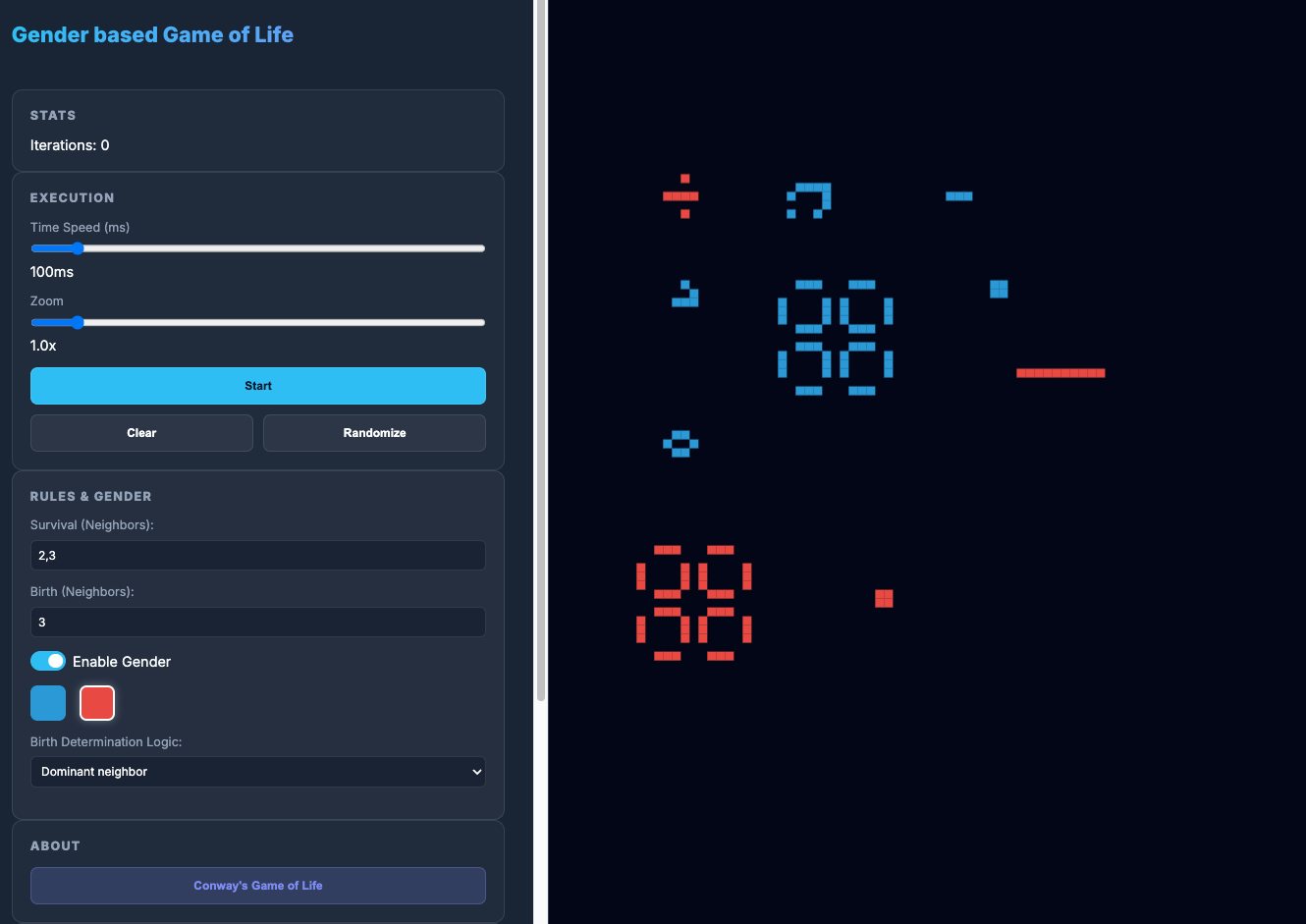
Fig 1 — The simulation outcome showing a stable state where two groups coexist and compete for territory
What makes this project truly unique is its origin. Following the success of previous agentic-coding projects like Sign Shift, this app was entirely self-specified and tasked based on a few entered prompts and conversational intent.
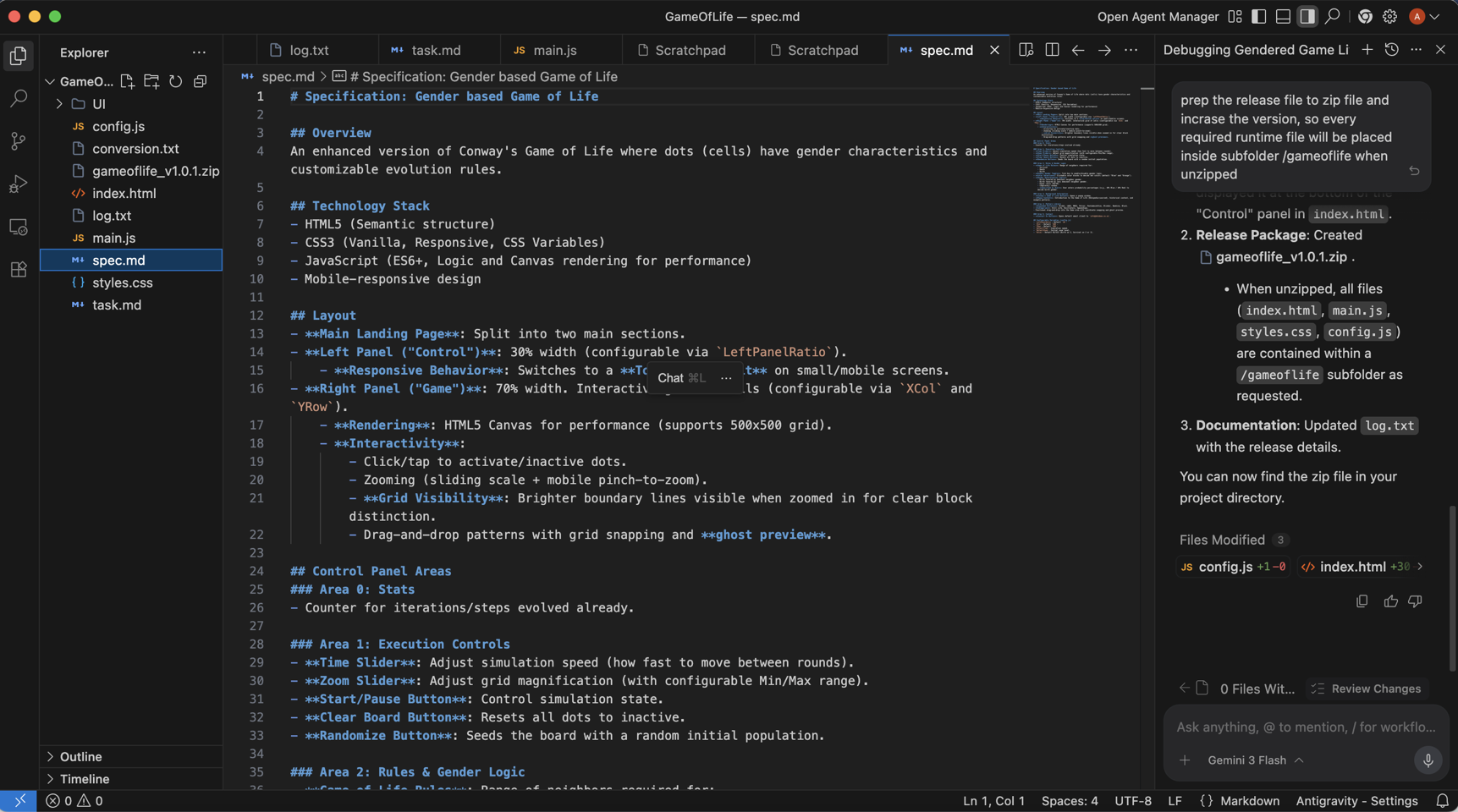
Fig 2 — The outcome of the app's development process, showing how it was self-speced and tasked from a conversation
Tech Stack
To ensure high performance for simulations with thousands of cells, the app utilizes native browser technologies for direct memory management and rendering.
The core engine uses `Int8Array` for efficient grid storage, allowing the simulation to run smoothly even at large scales. The UI supports real-time adjustments to survival rules, birth logic, and simulation speed, along with a library of classic patterns that can be dragged directly onto the canvas.
Development Velocity
By leveraging AI orchestration, the transition from a conceptual idea to a fully functional interactive tool happened in less than two hours.
⏱ Project Timeline
- ~60 mins Setup — Environment, grid engine, and core dynamics
- ~30 mins Debug & Finalize — UI refinement and pattern library
- ~90 mins Total time from idea to live application
Project Statistics:
- Total Dev Time: ~1.5 hours
- Testing & Debug: ~30 minutes
- Methodology: Agentic Coding
- Orchestration: Antigravity Agent (Gemini / Claude)
🤖 Antigravity — The Intent-Driven Builder
- Self-Specified — The agent understood the "gender" concept and expanded it into a full spec.
- Automated Tasking — Implementation was driven by structured, AI-generated milestones.
- Zero hand-coding — The entire logic and UI were generated through conversational intent.
The Gender based Game of Life demonstrates that with the right orchestration, even complex emerging simulations can be built rapidly. It stands as a testament to the power of Agentic Coding—where the focus shifts from writing syntax to refining the vision.