
The Problem: A Daily Data Headache
The idea for Sign Shift came directly from a routine data-handling workflow.
When processing financial files — CSV or Excel exports — negative figures often appear in a
trailing format, such as 1234.56- instead of the standard -1234.56.
This is common in legacy ERP or accounting systems that follow bracket or suffix-sign conventions.
The root friction: staff time lost to a purely mechanical transformation. A dedicated tool that detects suffix-sign patterns and produces a clean, standard-format output file would eliminate this bottleneck entirely. That is exactly what Sign Shift does.
Application Interface
Sign Shift features a clean, drag-and-drop interface. Users upload their CSV, Excel, or TXT file, configure the detection settings, and receive a reformatted file ready for upload — all within seconds, entirely in the browser with no server required.
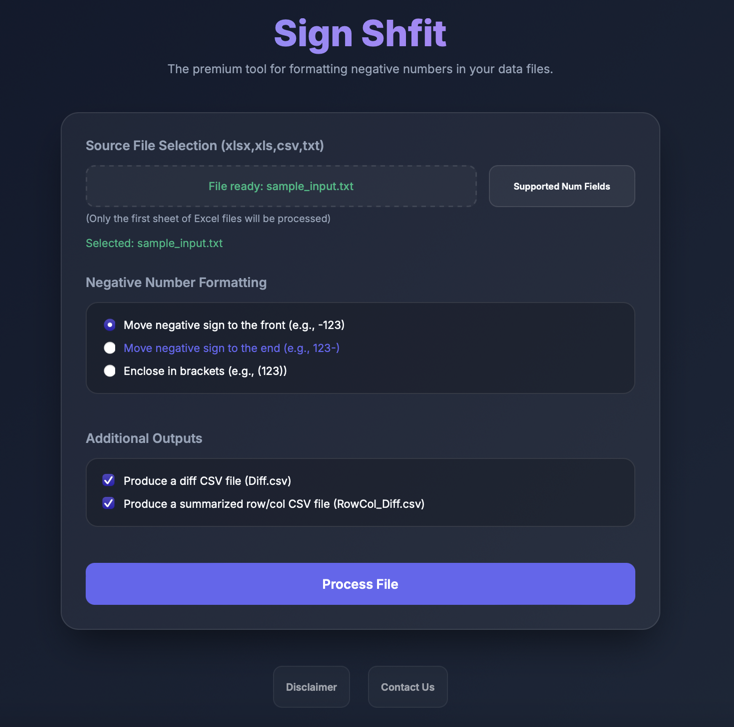
Fig 1 — Sign Shift upload interface with format detection configuration
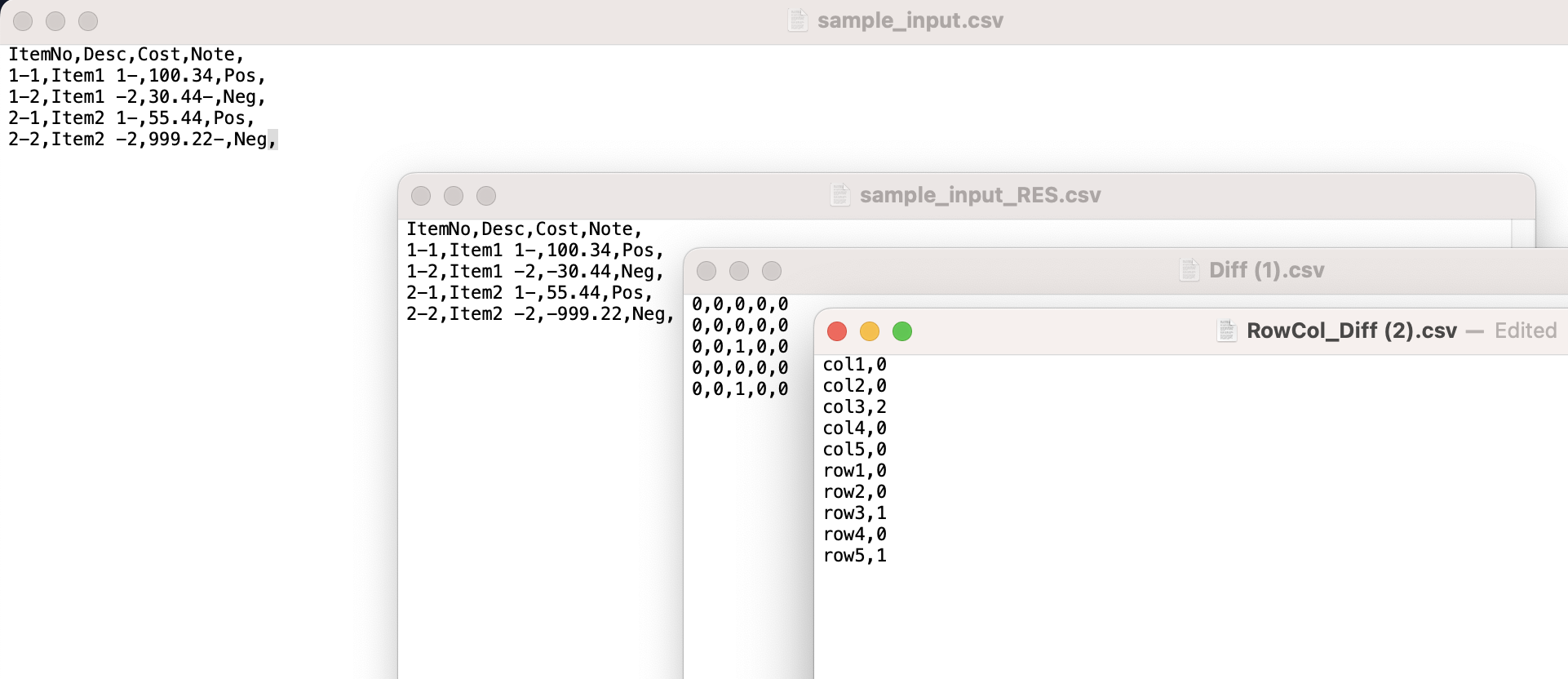
Fig 2 — Output view showing processed rows, diff report, and download options
Tech Stack
Despite its practical sophistication, Sign Shift is a pure browser-side application — no backend, no database. The technical foundations powering it include:
The sign-detection engine uses configurable regular expressions to identify trailing-sign patterns across all columns. SheetJS handles the binary parsing and re-serialisation of Excel files (.xlsx / .xls), while CSV and TXT files are handled natively. An optional diff report is generated in-browser so the user can inspect every changed cell before downloading.
Development Velocity
One of the most notable aspects of this project is how quickly it went from concept to a live, deployed application. Here is the full timeline breakdown:
⏱ Project Timeline
- ~2 hrs Implementation — coding, iterations & refinements
- ~15 min Testing — functional verification across file types
- ~5 min Deployment — pushing to live environment
- ~2 h 30 min Total time from idea to live application
Project Statistics:
- Total Dev Time: ~2 hours
- Testing: ~15 minutes
- Deployment: ~5 minutes
- Total Time to Live: ~2 hours 30 minutes
- Methodology: Agentic Coding
- Orchestration: Antigravity Agent (Gemini / Claude)
Built with Antigravity — Zero Lines of Code Written
Sign Shift was developed entirely using the Antigravity agentic platform, powered by Gemini and Claude. From ideation through to deployment, not a single line of code was typed by hand. The developer's role was purely that of a builder who expresses intent — describing the idea, specifying how the application should behave, and validating the output.
All technical specification and task planning was fully automated by the AI agent. The screenshots below show the auto-generated project spec and the structured task breakdown — both produced by Antigravity before a single line of implementation code was written:
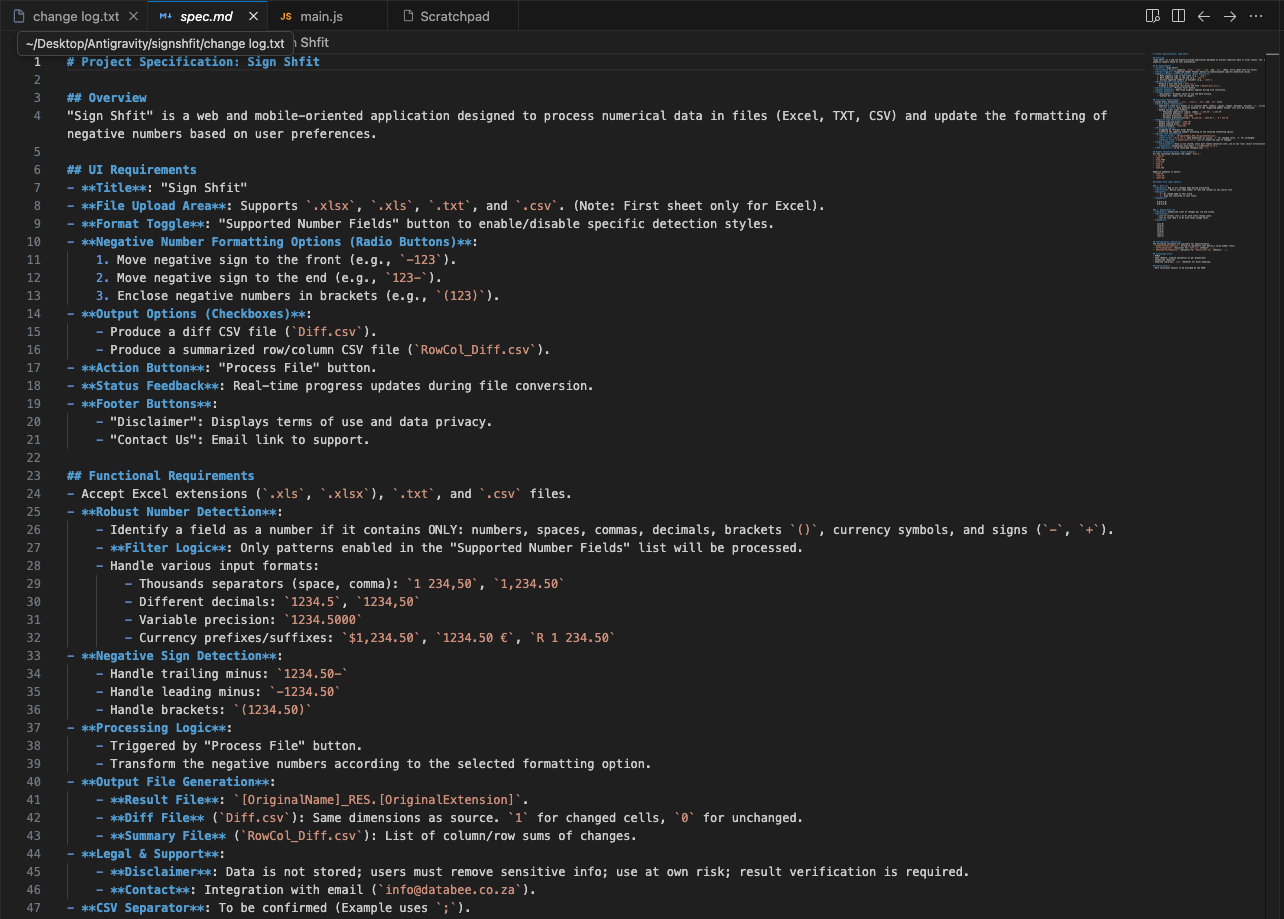
Fig 3 — Auto-generated spec.md produced by Antigravity from a plain-English description
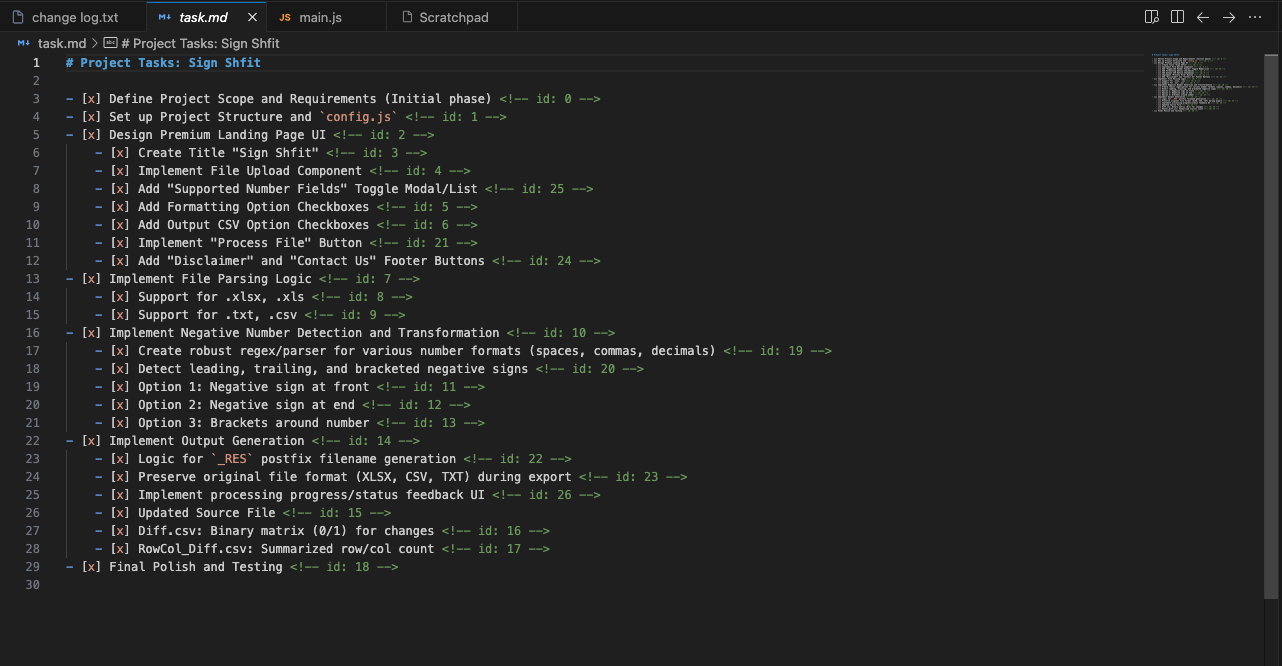
Fig 4 — Structured task.md automatically created by the AI agent to drive implementation
🤖 Antigravity + Gemini / Claude — The New Builder Paradigm
- Spec & task files automated — the agent writes its own engineering blueprint
- Zero code written by hand — full implementation driven by natural-language intent
- One becomes a builder — express the idea, describe how it should work, validate the result
- 2 h 30 min total — from a routine data problem to a deployed, live application
Sign Shift is a testament to how Agentic Coding with Antigravity fundamentally changes the speed and accessibility of software creation. A problem that existed in daily workflows was turned into a polished, shareable tool in an afternoon — with no engineering overhead, no boilerplate, and no context-switching. You describe the problem. The agent builds the solution.
Portable & Powerful: Standalone Desktop Versions
While Sign Shift runs perfectly in any modern browser, it can also be easily converted into a
standalone executable file for both macOS and Windows (e.g., signshift.app or
signshift.exe). This allows for a more integrated desktop experience,
offline access, and easier distribution within corporate environments.
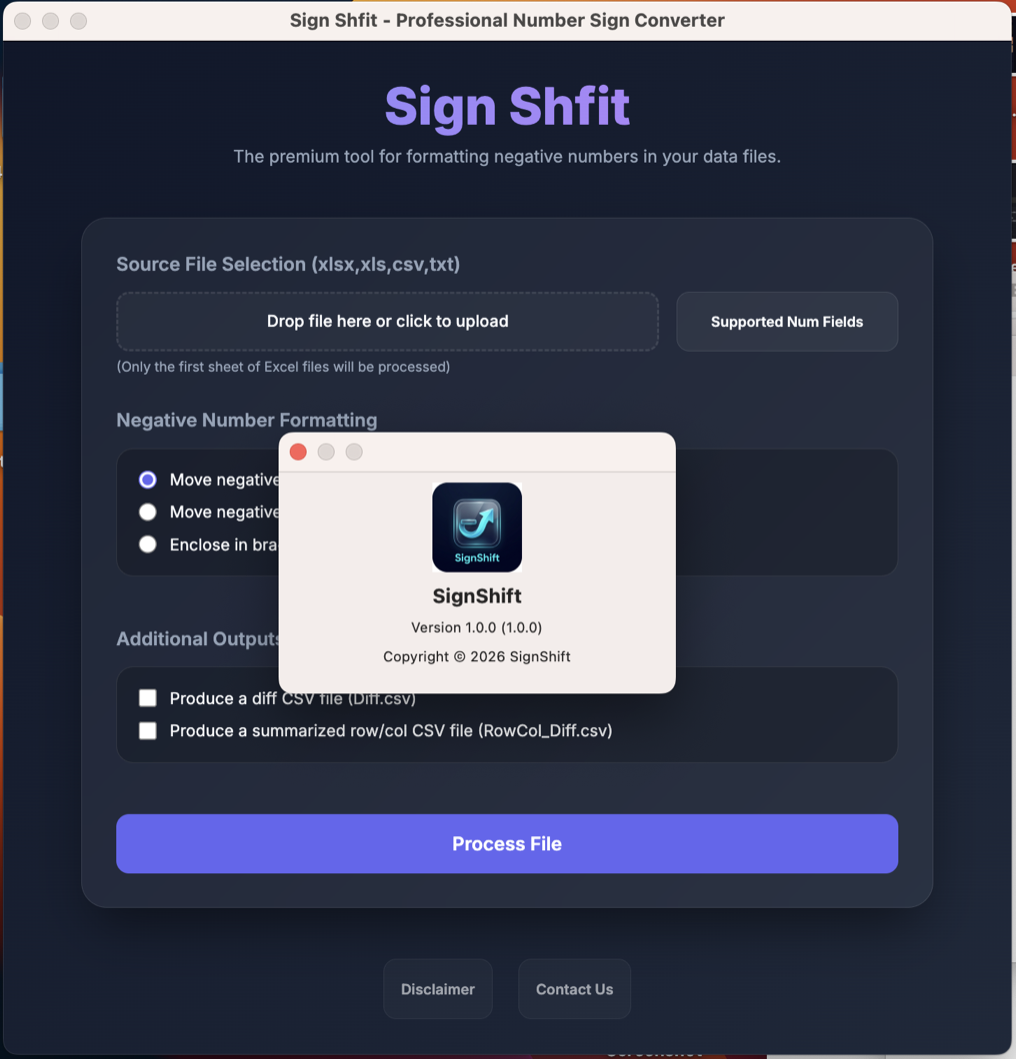
Fig 5 — Sign Shift running as a standalone desktop application
Standalone desktop versions (.app / .exe) are available upon request.
🚀 Launch Sign Shift